After Dark in a Nursing Cottage: How Overnight Care Is Delivered
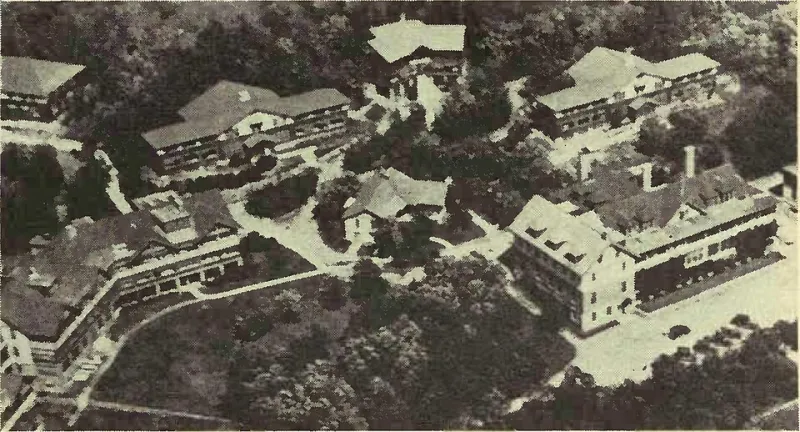
Photo: Internet Archive Book Images, No restrictions, via Wikimedia Commons
Why Overnight Care Attracts So Much Family Anxiety
Daytime visiting gives families a picture of care that is visible and sociable. Night-time care is different. It is quieter, less observable and more closely associated with vulnerability. Relatives may lie awake wondering whether a parent will be helped to the toilet, whether a call bell will be answered, whether the building is warm and whether anyone will notice if something changes. These fears are understandable, and they deserve a serious answer rather than a soothing platitude.
In a small nursing cottage, overnight care is shaped by the same philosophy that governs the day: familiar faces, domestic routines and a belief that clinical safety and personal dignity are not opposites. The details vary between services, but the questions families ask are remarkably consistent. What happens when the lights go down?
Staffing After Dark: Waking Nights and Sleeping Nights
One of the first terms families encounter is the distinction between a waking night and a sleeping night. A waking night means staff are awake and on duty throughout the night. A sleeping night usually means staff are present but permitted to sleep, with arrangements for responding to calls or emergencies. The suitability of either model depends on the needs of residents, the layout of the building and the requirements set by regulators.
In nursing care, overnight provision is not simply a matter of numbers. It is a matter of competence, familiarity and response time. A cottage with a small number of residents may have a different staffing pattern from a larger home, but families should still expect clear answers about who is on site, what qualifications they hold, how quickly assistance can be summoned and what happens if two residents need help at once. The reassuring answer is not necessarily the one with the most staff; it is the one with a coherent plan.
Routines That Protect Sleep and Dignity
Good overnight care respects sleep. That may sound obvious, but it is easily lost in a busy setting. Residents should not be woken unnecessarily for routine checks, and personal care should be offered with privacy, explanation and choice. A night pad change, a drink of water or help to reposition should be carried out as quietly and gently as possible.
At the same time, night-time is when some residents feel most disoriented. Familiar staff, a calm voice and a predictable routine can reduce anxiety. In a cottage setting, the atmosphere after dark should feel settled rather than institutional. Corridors should be safely lit without being harsh, call bells should be accessible and staff should move through the building with an awareness of who is awake, who is restless and who simply needs a brief word of reassurance.
Safety Checks and the Quiet Work of Observation
Overnight safety is not only about falls alarms and sensor mats, important as those can be. It is also about hydration, continence, pain, temperature and emotional wellbeing. A resident who is quietly confused at 2am may need a different response from one who is physically unwell. Staff on waking nights develop a particular kind of observation: they notice changes in breathing, colour, mobility and mood before those changes become a crisis.
Families should feel able to ask how those observations are recorded and handed over. A good service will have a clear system for noting overnight events and passing them to the day team, the GP or the district nurse where necessary. The aim is not surveillance but continuity. What happens at night should inform what happens in the morning.
Questions Families Can Ask About Night-Time Care
It is reasonable to ask direct questions, and a confident provider will welcome them. Who is on duty overnight? Are they waking or sleeping? What is the ratio of staff to residents? How are call bells answered and what is the expected response time? What happens if a resident falls? How are night-time drinks and toileting managed? Are doors and windows secured without making the building feel locked down? How are families contacted if there is a change in condition?
It can also help to ask how the cottage supports residents who do not sleep well. Are there quiet areas? Is there a plan for residents who wake repeatedly? How are night staff involved in care planning? These questions move the conversation beyond fear and into practical understanding.
Reassurance Without Complacency
No service can promise that nothing will ever go wrong overnight. What a good nursing cottage can offer is a culture in which night-time care is planned, staffed and reviewed with the same care as daytime support. Families should look for transparency rather than perfection. If a provider can explain its overnight arrangements clearly, acknowledge limitations and describe how it learns from incidents, that is a more meaningful reassurance than a vague promise that someone is always there.
After dark, care becomes quieter but no less important. The measure of a nursing cottage is not only how it looks at lunchtime, but how it behaves when the visitors have gone home and the lights are low.