Holding the Thread: Nursing Care Decisions When Partners Need Different Levels of Support
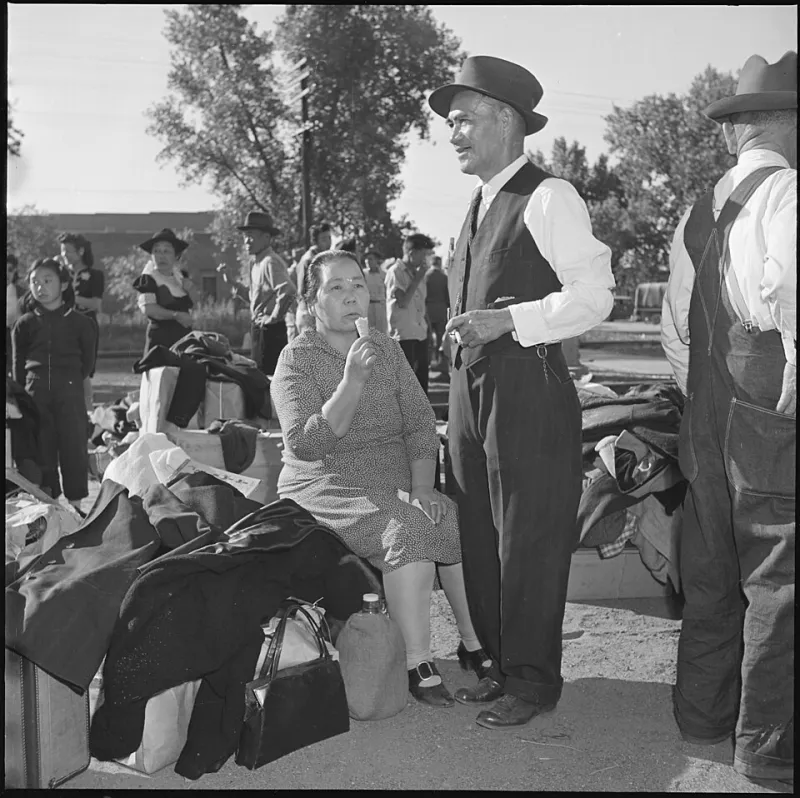
Photo: Hikaru Iwasaki, Public domain, via Wikimedia Commons
Later life rarely arranges itself neatly. One partner may begin to need nursing oversight at night, help with medication, or support after a fall, while the other remains independent at home. The question that follows is not simply whether residential nursing care is needed. It is how two people can continue to be a couple when their care needs no longer match.
At Arundel Nurse's Cottage, the starting point is always the same: the relationship matters. A move into nursing care is a significant change, but it need not be treated as the end of shared life. It is more useful to think of it as a redesign of daily routines, with honesty about what can be arranged and what cannot.
Begin with two separate assessments
Couples often arrive at decisions together, and that is right. But care needs should be assessed separately. One partner may need 24-hour registered nursing cover, moving and handling equipment, continence support, or specialist dementia care. The other may need only modest help at home, or perhaps nothing formal at all.
In England, a local authority care needs assessment can establish what support is available. NHS continuing healthcare may be relevant where a primary health need is identified. Therapy reports from hospital, GP records and medication lists all help to build an accurate picture. If one partner lacks mental capacity to make a particular decision, the Mental Capacity Act 2005 requires a best-interests approach, with family and attorneys involved where appropriate.
The aim is not to label one person as the patient and the other as the visitor. It is to understand what each person needs to live well.
Staying close in ordinary ways
Connection is usually made of small things: a shared cup of tea, a familiar radio programme, a walk in the garden, a visit at the same time each day. Cottage-style nursing can support these rhythms because the setting is smaller and more domestic in feel. Families can often visit flexibly, join mealtimes, or bring in familiar items that make a room feel less clinical.
Shared rooms are sometimes possible in some settings, but they are not a standard entitlement. They depend on capacity, consent, clinical risk, infection prevention, privacy, staffing and fire safety. A provider should be willing to discuss what is realistic rather than promise a double room as a marketing point. The same applies to overnight stays: some cottages can accommodate them occasionally, but not as an unrestricted right.
Video calls, photographs, a shared diary and regular telephone calls can help, particularly when family members live at a distance. The point is not to replicate home exactly. It is to keep the thread of the relationship visible.
Respite as a bridge
Respite is often overlooked, yet it can be a sensible bridge. A short stay in a nursing cottage can give the partner at home a chance to rest, attend to their own health, or test how a longer arrangement might feel. It can also allow the couple to experience the setting before making a permanent decision.
Respite is not a failure of care at home. It is part of a realistic plan. A carers assessment from the local authority may open access to support, and some families use a trial stay to see how the couple cope with separation and reunion. Honest providers will be clear about availability and cost.
Funding: two people, two routes
Care funding is assessed individually, even when a couple has shared finances for decades. One partner may be eligible for local authority support after a financial assessment; the other may be self-funding. NHS continuing healthcare, NHS-funded nursing care, deferred payment agreements and third-party top-ups may all enter the conversation.
It is important not to assume that the family home must be sold immediately. There are disregards and deferred payment arrangements in some circumstances, and specialist advice is essential. Attendance Allowance may be available for the partner at home, and benefits should be reviewed. A financial adviser who understands later-life care can help, but families should always ask for written explanations from the local authority and the care provider.
The care-planning conversation
A good care-planning meeting should include the people who know the couple best: the named nurse, the local authority social worker, the hospital discharge coordinator where relevant, the GP, and family members. It should not be a formality.
Ask what a good day looks like for each partner. Ask how medication, meals, sleep, personal care, religious observance and hobbies will be managed. Ask how reviews will work and who to contact when something changes. If advance care planning has been done, including a ReSPECT form or DNACPR decision, make sure it is shared and understood.
What a cottage can and cannot promise
Small-scale nursing can offer continuity, nurse-led oversight and a more homely atmosphere. It can make family involvement easier. It cannot promise that one partner's admission will cure the other's loneliness, or that a shared room will always be available, or that staffing will never change.
The right provider will be candid about capacity and boundaries. That honesty is more reassuring than a glossy brochure.
Keeping the relationship at the centre
A couple facing different levels of care is not being separated by bureaucracy. They are adapting to a new phase. The task is to build a plan that protects dignity, manages risk and leaves room for affection. That plan should be reviewed as needs change, because they will.
This article is general information and not legal, financial or medical advice. Families should seek individual guidance from the local authority, NHS services and qualified advisers.