Pinned and Public: What Everyday Notices Reveal About a Nursing Cottage's Culture

Photo: JOGOS Public Assets, CC BY-SA 4.0, via Wikimedia Commons
Step into almost any nursing cottage and, beyond the porch and the smell of lunch, you will find a stretch of wall given over to paper. A cork board, perhaps, or a glazed cabinet; sometimes a simple wallet of clear plastic screwed to the plaster. It is easy to walk past. Families visiting a home tend to look at bedrooms, bathrooms and the garden, and to leave the corridor with its curling corners unread. Yet that display is one of the most immediate records a cottage keeps of itself: what it intends to do that day, who is on duty, what is cooking, and how it chooses to speak to the people who live and work there.
This article is a guide to reading that record with a fair and clear eye. It is not a test to be passed or failed in a single glance, but a set of prompts that can help a family understand a little more about transparency, routine and dignity before they make one of the most significant decisions of later life.
What You Should Expect to Find
A well-run cottage will not leave you guessing about the basics. In England, the Care Quality Commission (CQC) requires providers to display their rating and to make their latest inspection report available; many homes also keep a copy of the provider's statement of purpose, which sets out in plain terms the care the service is registered to deliver. Alongside these you would normally expect to see:
- a statement of fees, or a clear pointer to where terms and charges are explained;
- the complaints procedure, with a named contact and the route to the local authority and the CQC;
- safeguarding information, including who the nominated lead is;
- visiting arrangements and any current restrictions;
- fire evacuation and emergency contact details;
- the registered manager's name and how to reach them.
Under the CQC's current assessment approach in 2026, providers are expected to be transparent about their performance and responsive to feedback. A noticeboard that quietly ignores these expectations is not proof of poor care, but it is a reasonable prompt for a question.
Menus, Meal Choice and the Ordinary Dignity of Lunch
Few notices are read more closely by residents than the weekly menu, and few are more revealing to a visitor. Look beyond the dishes themselves. Is the sheet dated this week, or does it still carry a date from last month? Does it offer a genuine choice at each meal, and does it acknowledge modified textures for those who need them — the soft, the minced and the thickened — without treating those diets as an afterthought? Are seasonal dishes and familiar puddings present? Is there a note about hydration, about between-meal snacks, about a resident who prefers tea at four o'clock?
A menu that changes with the calendar and names real food suggests a kitchen that plans; a menu that offers the same seven days in the same typeface suggests a kitchen that repeats. Ask, politely, how preferences and allergies are recorded, and whether residents are consulted. The answer belongs in the culture, not only on the wall.
Activity Planners: Promise and Follow-Through
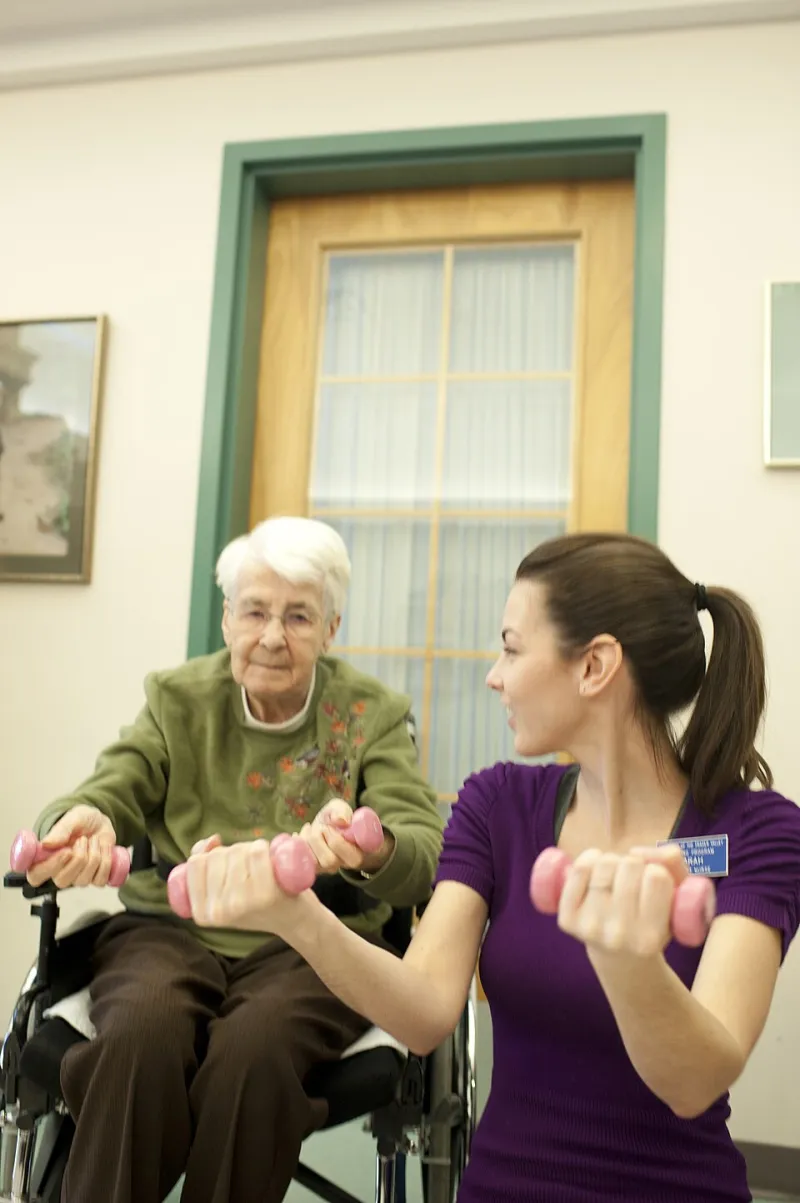
Weekly activity sheets are often the most ambitious documents in the building. They promise chair-based exercise on Monday, a sing-along on Wednesday and an outing on Friday. The useful question is not whether the sheet is colourful, but whether it is honest. Is it updated weekly? Does it reflect the interests of the people who actually live here — gardening, worship, crosswords, football results — or does it look as though it was written for an inspector?
A plain sheet that names one small, achievable pleasure each day is worth more than a lavish timetable nobody attends. On a return visit, consider whether the Wednesday singing actually happened. Continuity between what is promised and what is delivered is the quiet test of any activity programme.
The Staff Board and the Question of Continuity
Many cottages display photographs and first names of the care team, sometimes with roles and shift patterns. This is a courtesy to residents and relatives alike, and it can tell you something about stability. Are the faces familiar from your last visit? Is the board current, or does it list people who left months ago? Are agency staff and bank workers introduced with the same care, or do they appear as a category apart?
Small-scale nursing care often rests on the continuity of a settled team, and the board is a simple index of that. Ask how often the roster changes, and how a new member of staff is introduced to a resident who may find unfamiliar faces unsettling. The answer will tell you more than the laminated photographs can.
Handwriting, House Notices and the Tone of a Place
Some of the most informative notices are the least official: a handwritten reminder that the hairdresser is coming on Thursday; a note thanking families for the harvest festival donations; a line explaining that the minibus is off the road. These small pieces of writing show how a cottage speaks to its people. Is the tone warm and plain, or clipped and bureaucratic? Are residents addressed as adults, or as a category? Is there space for a resident's own news — a birthday, a grandchild's photograph, a poem?
Dignity is often a matter of register. A notice that says 'Residents are reminded that relatives must sign in' is not wrong; a notice that says 'Please sign in so we know who is with us today' is simply kinder. The difference is small, and it is not trivial.
What a Noticeboard Cannot Tell You
It would be unfair to judge a cottage by its cork board alone. A proud but disorganised home may have a shabby display; a glossy one may conceal a thin reality. Notices are a prompt for conversation, not a verdict. Nor is every omission a failure: some information is now shared electronically, and a manager may reasonably keep the fuller record in a folder at reception, available on request.
Read the board as you would read a first paragraph — for tone, for clarity and for evidence of thought — and then ask the questions that follow from it.
Questions Worth Asking While You Are Standing There
- Who is responsible for keeping this information current, and how often is it reviewed?
- How are residents and families told about changes to the routine, the menu or the staff team?
- Where would I find the latest inspection report and the statement of purpose?
- How are activities planned, and how do you know which ones residents value?
- If I have a concern, whom do I speak to first, and what happens next?
Reading Fairly
A noticeboard is a modest thing: paper, pins and handwriting. But in a nursing cottage it is also a small public square, where the ordinary business of care is declared to anyone who passes. Read it with curiosity rather than suspicion, ask about what you do not understand, and notice whether the answers match the paper by the door. In a service that prizes transparency, the smallest notices can say as much about a culture as any formal report — and they will be there, freshly dated, on your next visit.