Behind a Closed Door: Judging Continence Support When Choosing a Nursing Cottage
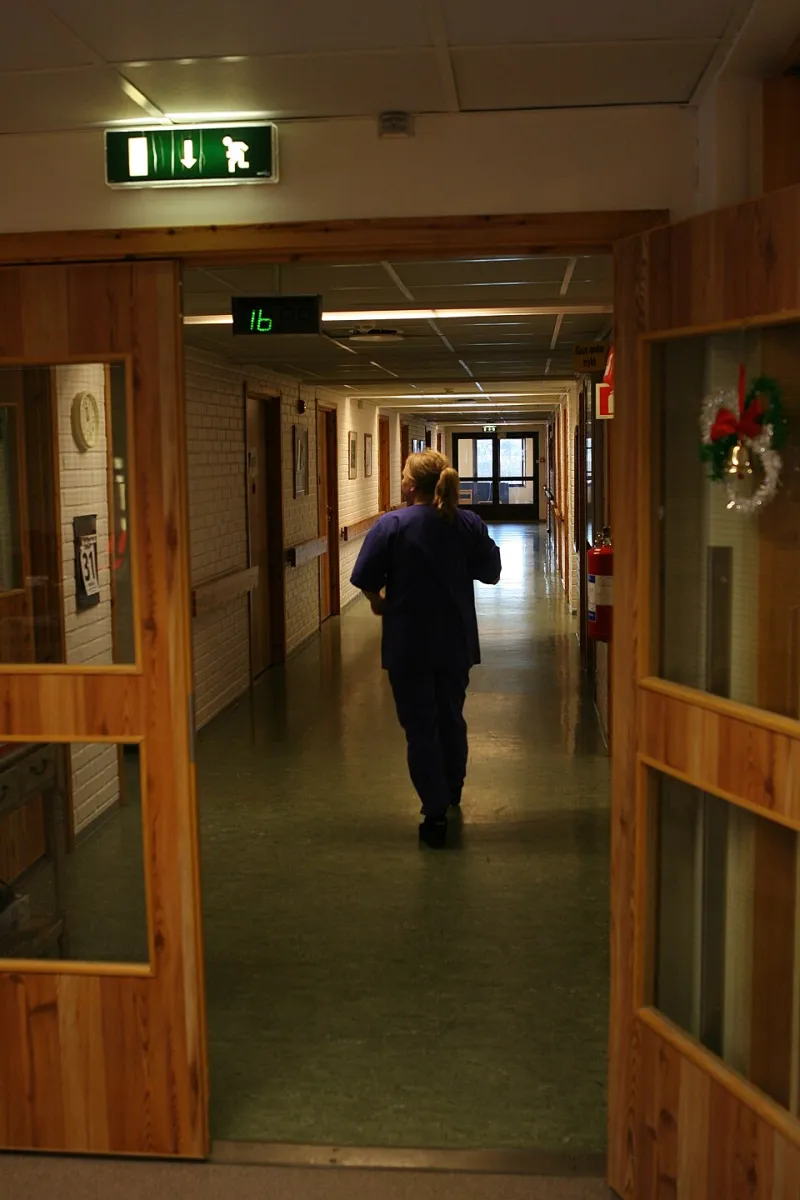
Photo: Thomas Bjørkan, CC BY-SA 3.0, via Wikimedia Commons
Continence care is not a subject most families raise easily. It sits behind a closed door, both literally and conversationally, and many people arrive at a nursing home visit without any clear idea of what good support should look like. Yet for residents who need help with continence, the quality of that help touches privacy, comfort, skin health, sleep and self-respect every single day. In a cottage-style nursing home, where staff and residents know one another well, the subject deserves careful attention rather than avoidance.
Why This Aspect Deserves Attention
Families often focus on meals, activities and the general atmosphere of a home, and rightly so. But continence support is one of the clearest indicators of how a team understands dignity in practice. It reveals whether care is organised around the resident’s preferences or around the convenience of the rota. It shows how staff speak to people when no visitor is present. It also indicates whether the home has reliable systems for supplies, laundry and overnight checks, or whether those systems depend on someone remembering.
None of this requires families to become clinical experts. It does require a willingness to ask calm, practical questions and to notice how those questions are answered. A cottage nursing home that welcomes the conversation is usually one that has thought carefully about it already.
Privacy as a Practical Discipline
Good continence care begins with privacy that is habitual rather than occasional. Doors are closed, curtains are drawn, and staff announce themselves before entering. Conversations about pads, pants or bedding take place quietly and away from communal areas. Residents are not discussed in corridors, and neither are their accidents.
In a smaller cottage setting, privacy can be easier to protect because there are fewer people moving through the building. It can also be harder to maintain because everyone knows everyone. The best teams use that familiarity well: they are warm in the sitting room and discreet when personal care is needed. They do not confuse closeness with permission to be casual about someone’s dignity.
When visiting a nursing home, families can look for small signals. Are bedroom doors closed during personal care? Are staff voices lowered when they speak with a resident about continence? Is there a clear place for supplies that does not advertise their purpose to every visitor? These details matter more than glossy brochures.
Language and the Everyday Ask
The words staff use are part of the care. A respectful team asks whether a resident would like to use the toilet, rather than announcing that it is time for a change. It offers choices where choices are possible, and it explains what will happen when they are not. It avoids babying language and avoids euphemism that leaves the resident uncertain what is being discussed.
Families can ask how staff are trained to speak about continence, particularly when a resident has dementia or difficulty communicating. A good answer will describe ordinary techniques: using the resident’s own words, offering simple choices, allowing time, and never treating refusal as a behavioural problem to be managed. The response should sound like everyday practice, not a policy recited for visitors.
Routines That Hold Overnight
Night-time continence support is where good intentions are most easily tested. Residents may need help during the night, but they also need sleep. Staffing levels, lighting, equipment and the layout of the cottage all affect how quietly and consistently that help is delivered.
Ask how overnight checks are organised. Are they planned around the individual resident’s usual pattern, or applied uniformly to everyone? How does the home balance the need to prevent discomfort with the need to avoid unnecessary disturbance? What happens when a resident has an accident at 3am: who responds, how quickly, and how is the resident made comfortable without fuss?
In a cottage nursing home, the night team is often small. That can be an advantage because staff know the residents’ rhythms well. It can also mean that one difficult night affects the whole house. A thoughtful manager will be able to explain how night cover is arranged, how continence supplies are stocked, and how the day team is briefed at handover.
Laundry, Supplies and the Unseen Logistics
Continence care generates laundry, and laundry is a practical test of any nursing home. Families should ask how personal clothing and bedding are laundered, how quickly items are returned, and how the home prevents loss or mix-ups. In a cottage setting, laundry may be handled on site, which can be reassuring, but only if there are clear routines and enough capacity.
Supplies matter too. Are continence pads and pants provided by the home, or arranged through the resident’s own prescription or a continence service? How does the home ensure the right size and type are always available? What happens if a resident’s needs change? These are unglamorous questions, but they are the ones that prevent daily discomfort.
Questions to Ask, Respectfully
Families do not need to interrogate staff to get useful answers. A few well-chosen questions, asked at the right moment, can reveal a great deal:
- How do you learn a new resident’s usual continence routine and preferences?
- What training do staff receive in dignity, privacy and personal care?
- How do you support someone who declines help or becomes distressed?
- How are night-time needs managed without disturbing other residents?
- How is laundry handled, and how are personal items kept track of?
- Who reviews continence needs when they change, and how are families kept informed?
Ask these questions of the registered manager or a senior nurse, and listen for specific answers rather than general assurances. A team that is confident in its practice will describe routines, training and examples. A team that is uncertain may offer only broad statements about dignity.
What Reassurance Looks Like
Reassurance in continence care is not a promise that accidents will never happen. It is evidence of a system that expects them, prepares for them and responds without making a resident feel small. It looks like closed doors, quiet voices, fresh bedding, named clothing returned, supplies that fit, and staff who know when to offer help and when to allow independence.
At Arundel Nurse’s Cottage, the standard we would want families to judge us by is simple: would a resident feel able to ask for help without embarrassment, and would they receive it with the same courtesy at midnight as at midday? That is the measure worth taking when choosing or reviewing a nursing home. It sits behind a closed door, but it is not hidden from those who know what to look for.