Labels, Layers and Looking Like Yourself: A Family Guide to Clothing in Residential Nursing Care

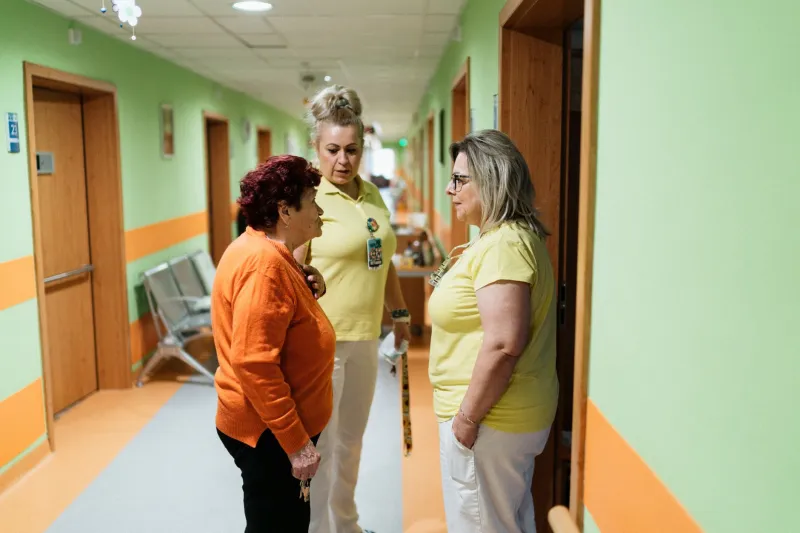
Photo: senior woman folding laundry with carer in cottage care home UK, via www.the-sun.com
When families begin looking at residential nursing care, attention naturally falls on clinical matters: staffing, medication, mobility and the quality of the building. Clothing and laundry can seem secondary. In practice, however, the way a home manages a jumper, a pair of socks or a named nightdress tells you a great deal about how it understands dignity. For an older person moving into a cottage-style nursing home, appearing in familiar clothes is not a trivial comfort. It is part of remaining recognisably oneself.
Arundel Nurse's Cottage approaches this subject as a practical matter of respect. Good laundry practice is not glamorous, but it is revealing. It shows whether routines are designed around residents or around the convenience of the organisation. It also shows families whether small requests are heard before they become complaints.
Why clothing carries more weight than it appears to
For many older people, clothing is one of the few areas of daily life where personal choice remains visible. A favourite cardigan may be chosen because of its warmth, but it may also signal taste, routine and a sense of self that predates illness or frailty. A familiar blouse can help a person feel prepared for the day rather than merely washed and dressed.
This matters particularly in nursing care, where so much else is decided through assessment and professional judgement. Clothing offers a counterbalance: a daily opportunity for preference to be exercised, even if that preference is simply between two jumpers. When a home treats clothing as an administrative task, residents can begin to look institutional. When it treats clothing as personal property with meaning, daily life retains a measure of individuality.
For relatives, the signals are equally powerful. Seeing a parent in their own clothes, clean and reasonably cared for, provides reassurance that is difficult to quantify. Seeing them in someone else's cardigan, or in garments that have shrunk or disappeared, can create worry out of all proportion to the item itself. The question beneath the question is usually: is my relative being seen as a person?
What good laundry practice looks like in a cottage setting
Small-scale homes have certain advantages here, provided the systems are sound. In a cottage-style setting, laundry is more likely to be handled by a consistent team who learn residents' clothing and preferences. That familiarity can reduce errors and make it easier to notice when an item is missing or when a resident is repeatedly avoiding a particular garment.
Good practice generally includes clear labelling of all clothing, including socks, underwear, nightwear and slippers. Labels should be durable and discreet, and should not rely on handwriting that will fade after repeated washing. Named belongings should be recorded, and families should be told how to prepare clothing before admission. Delicate items, supportive footwear and specialist garments may need particular arrangements, and these are best discussed in advance rather than after a loss.
A well-run laundry will also have a routine for returning clothing promptly. Residents should not spend the morning in nightwear because day clothes are unavailable, nor should they be dressed in whatever is nearest at hand. Where a home provides communal clothing for short-term use, this should be transparent and temporary, not a quiet substitute for personal belongings.
Missing socks and the limits of explanation
Losses happen in every home. Socks are small, easily separated and often washed in shared loads. A missing item is not automatically a sign of poor care. What matters is how the home responds. A defensive explanation, or a suggestion that the family has miscounted, erodes trust. A calm acknowledgement, a search and a practical solution preserve it.
Families can help by labelling generously, keeping a small inventory and avoiding sending irreplaceable items unless the home can care for them appropriately. It is also reasonable to ask how often laundry is collected and returned, whether residents' clothes are washed with those of others, and what happens when an item cannot be found. These are not fussy questions. They are questions about property, privacy and respect.
There is also a dignity dimension to what residents wear, not only whether clothes are clean. A person who has always dressed carefully may not wish to wear leisurewear during the day. Someone who feels the cold may need layers that are easy to remove. A resident living with dementia may benefit from simple, comfortable clothing that reduces confusion. Good care balances safety and ease with personal preference, and involves the resident and family in that balance wherever possible.
Questions to ask when choosing a home in 2026
When visiting a nursing home, families can learn much by asking directly about laundry and clothing. Useful questions include: who labels clothing and what labelling system is used; how often personal laundry is done; whether items are tumble-dried or returned ironed; how missing items are recorded; and whether residents are supported to choose what they wear. It is worth asking to see a laundry area, not as an inspection of housekeeping, but to understand the workflow.
Families might also ask how the home handles seasonal clothing, special occasions and religious or cultural dress. A home that can describe its approach clearly is more likely to manage the everyday details well. In 2026, with greater scrutiny on care records and family communication, transparent systems are part of good governance, not an optional extra.
A quiet form of respect
Clothing is never only fabric. It is memory, habit, preference and presentation. A nursing cottage that takes laundry seriously is not indulging a minor concern; it is recognising that dignity is built through repetition. Clean clothes, named belongings and a familiar jumper may seem small, but they tell residents and their families that personhood is being protected in the ordinary business of the day.