More Than Cake: The Quiet Clinical Value of Birthdays in Cottage Nursing
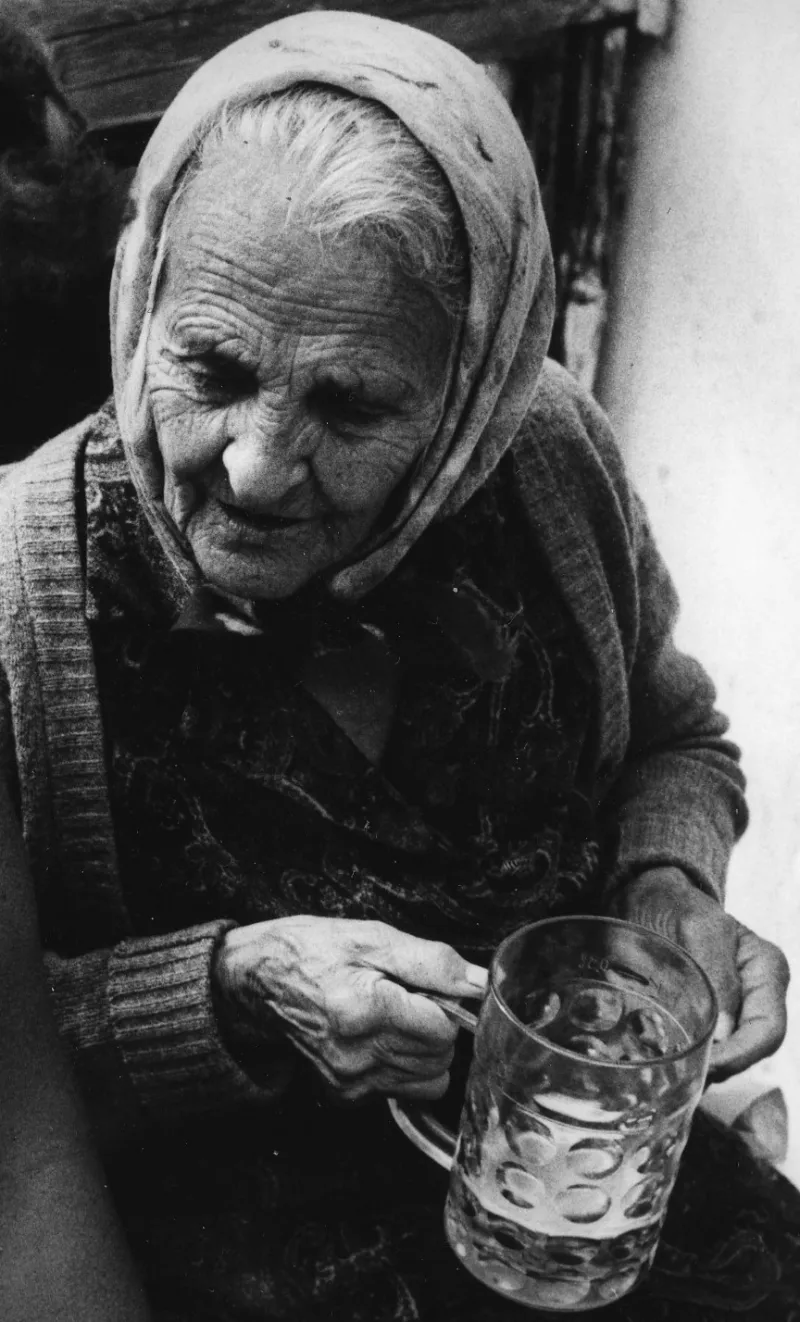
Photo: František Dostál, CC BY-SA 3.0, via Wikimedia Commons
A birthday arrives with unusual force in later life. It can prompt reflection, family telephone calls, memories of people no longer present, and a sudden awareness of how much has changed. In a residential nursing setting, it can also place a small, bright demand on the ordinary rhythm of the day. The question for a cottage-style home is not whether to mark the occasion, but how to do so without turning a private milestone into a public performance.
A Celebration Is a Care Decision
It is tempting to describe birthday arrangements as “social” or “activities” matters. Yet any event that affects what a resident eats, when they rest, whom they see and how they are spoken to sits close to clinical care. A person with diabetes may need a different pudding. Someone living with dysphagia may require a modified slice rather than a conventional one. A resident who becomes fatigued in company may need the celebration to be short, seated and quiet. None of this is decorative detail; it is the practical expression of knowing the person.
For that reason, birthdays are best planned through the care team rather than around it. A brief conversation between the nurse, the activities coordinator, the kitchen and the family can establish the resident’s wishes, any dietary restrictions, medication timing and the level of stimulation they are likely to welcome. The aim is not to create a flawless event, but to create one that does not quietly undermine the care already in place.
The Resident Sets the Scale
Not everyone wants a cake. Some residents enjoy a card and a few familiar words. Others prefer to mark the day privately, or not at all. In cottage nursing, the small size of the setting makes it easier to resist the assumption that every birthday must follow the same pattern. A shared table in the dining room may suit one person; a tray in a quiet room, with the door ajar and a nurse nearby, may suit another.
Consent should be understood broadly. A resident may be pleased to receive good wishes but uneasy about being the centre of attention. Another may enjoy singing but dislike being photographed. Staff should ask in advance, and ask again on the day if needed. The presence of cognitive impairment does not remove the duty to read cues and respect preference. A person who cannot answer a formal question may still turn away from a crowd, or smile at a single familiar face.
Food, Safety and the Ordinary Pleasures
Cake is often the symbol of the occasion, but it is not the whole of it. The kitchen has a responsibility to manage allergens, texture, portion size and the timing of meals around medication. For residents with swallowing difficulties, a seemingly simple slice can carry risk. For those with diabetes, the choice may need to be balanced with the wider day’s intake. These are not reasons to abandon the celebration; they are reasons to plan it properly.
There are other practical considerations. Open flames are rarely appropriate in a care setting, so a small battery-operated candle may serve the same ceremonial purpose with less risk. Alcohol, if offered at all, should be discussed with the clinical team and the resident. Large deliveries of food should be stored safely and shared appropriately. A celebration that leaves the dining room crowded, hot or difficult to navigate has not been thought through.
Yet safety should not become an excuse for dullness. A favourite sandwich, a cup of tea in a proper china cup, a slice of fruit cake made to a family recipe, or a small plate of something familiar can be more meaningful than an elaborate buffet. Pleasure is part of wellbeing, and wellbeing is part of nursing.
Family Presence, Family Absence
Families often want to be involved, and their involvement can be enormously valuable. They may bring photographs, a favourite music list, a card signed by grandchildren, or simply themselves. In a small cottage, a family visit can be absorbed into the day rather than staged as a separate event. That flexibility is one of the setting’s quiet advantages.
But family life is not always tidy. Some residents are estranged from relatives, or have outlived them. Others may find that a birthday sharpens grief. Staff should be alert to this and avoid language that assumes every family is available or every memory is easy. A resident who has no visitors should not be made to feel that their day is incomplete. The care team can offer companionship without pity, and mark the occasion in a way that feels dignified rather than compensatory.
Continuity in Small Things
A birthday is a reminder that a resident has a history stretching far beyond their admission. The details matter: the name they prefer, the place they grew up, the job they did, the music they loved, the person they married. When a cottage makes room for those details, the celebration becomes an act of continuity. It says, in effect, that the person is still the author of their own life, even where support is now required.
This is why a birthday table should be more than a display. It might hold a card, a photograph, a small posy, or a slice of something chosen rather than assumed. It should be arranged at a height that works for the resident, with space for a wheelchair or walking frame, and enough quiet for conversation. The table is not the point. The point is the attention behind it.
A Measured Kind of Joy
Cottage nursing cannot manufacture happiness, and it should not try. What it can do is create conditions in which ordinary pleasure is possible: a familiar taste, a visitor’s hand, a song, a few minutes of undivided attention. Birthdays offer a natural opportunity to do this well. They also offer a test of whether care is genuinely person-centred or merely well organised.
When planned with care, a birthday is not an interruption to clinical routine. It is a demonstration of it. It shows that the resident is known, that preferences are respected, that risk is managed without fuss, and that belonging is made real in small, practical ways. Cake may be on the table, but the substance is elsewhere: in dignity, continuity and the quiet message that this day, like this life, still matters.