Closeness Is Not Measured in Miles: Family Involvement in Cottage Nursing From Afar

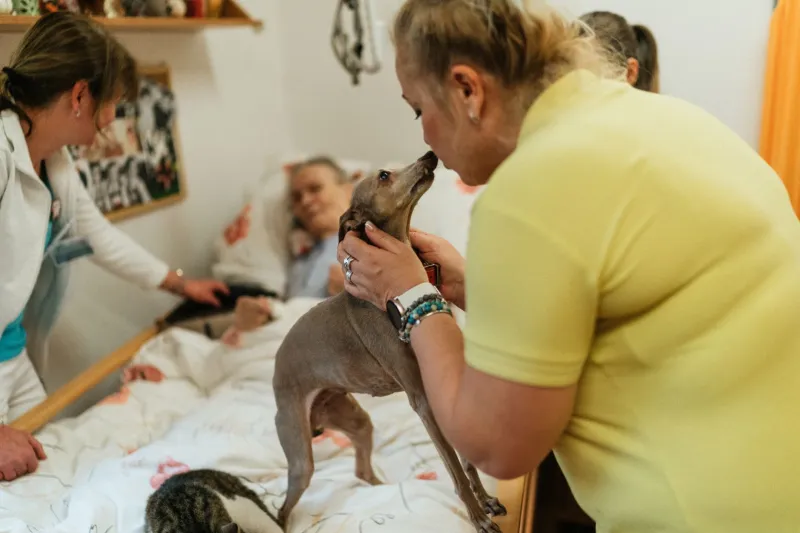
Photo: Peter Winterbach, Public domain, via Wikimedia Commons
Distance can feel like a verdict. When a parent or partner moves into a nursing cottage several counties away, the family member who cannot call in after work may wonder whether involvement is still possible. The answer, in good cottage nursing, is yes. Proximity is useful, but it is not the only form of closeness. What matters is a reliable relationship between family and staff, a clear understanding of how information will be shared, and a realistic acceptance that care is delivered day by day by people who are present.
For families across the UK, distance often arises for practical reasons: work, children, housing, or the simple geography of a county such as West Sussex being far from the Midlands or the north. The task is not to pretend that distance is easy. It is to build a pattern of involvement that is honest, sustainable and respected by the care home.
The Named Contact Matters More Than the Number of Calls
A long-distance family cannot be present for every small change, and it should not try to be. What helps is knowing whom to speak to and when. A named staff contact, whether a senior carer, nurse or deputy manager, gives the family a consistent point of reference. Rather than ringing the main office at random and hoping for a full account, families can ask how updates will be provided and at what frequency.
This is not a demand for constant access. It is a request for structure. A weekly call at an agreed time, a short monthly summary, or a message after a care plan review can do more for reassurance than a scatter of anxious enquiries. Cottage nursing works best when communication is calm and predictable. Staff can then give proper attention to the conversation rather than fitting it around the medicine round or lunch service.
Pictures, Voices and the Ordinary Detail
Families often say that what they miss most is not dramatic news but the ordinary texture of the day: whether Mum ate her breakfast, whether Dad joined the activity, whether the garden was warm enough for an afternoon sit. These details are the currency of belonging.
With consent, shared photographs and short updates can bridge that gap. A picture of a resident holding a cup of tea in the conservatory, or a brief note that she enjoyed the singer who visited on Thursday, may seem modest. To a daughter on a train home, it is evidence that life is still being lived. Some cottages use secure family portals or agreed messaging arrangements; others rely on email and scheduled calls. The method matters less than the agreement around it.
Voice notes can be particularly useful. They carry tone and familiarity in a way that written updates sometimes cannot. A short recorded message from a grandchild, played by staff at an appropriate moment, can preserve a thread of family life without requiring anyone to travel.
Coordinating With Relatives Who Live Nearer
Many families have one relative who lives close by and another who does not. This can become a source of quiet resentment if roles are not discussed. The local relative may become the default visitor and recipient of every query; the distant relative may feel sidelined or, conversely, may be expected to make decisions without enough information.
A simple family agreement can help. Who will visit on which weekends? Who will attend care reviews? Who will be the main contact for routine updates, and who will be copied in? These arrangements need not be rigid, but they should be spoken aloud. Cottage staff can support this by being clear about who is authorised to receive information and who holds lasting power of attorney where relevant. Neutral, written communication within the family reduces the risk of misunderstanding.
Visits That Are Fewer but Not Lesser
A long journey can make each visit feel weighty. Families sometimes arrive determined to cram a month of contact into an afternoon, which can leave everyone tired. A more sustainable approach is to plan visits around the cottage's rhythm rather than against it. Mealtimes, bath routines and medication rounds are not the best moments for a long, emotional conversation. A mid-morning coffee, a walk in the garden or a quiet hour before lunch may serve everyone better.
It is also worth telling staff in advance when a visit is planned, especially if it involves a birthday, a religious festival or a first meeting with a new great-grandchild. Cottage nursing can help make the occasion ordinary and dignified rather than an interruption. The aim is not a perfect visit. It is a visit that leaves both resident and family feeling connected.
Guilt Is Not a Care Plan
Guilt is common among distant relatives, and it is rarely useful. It can lead to over-frequency of calls, demands for reassurance that staff cannot reasonably meet, or a reluctance to raise genuine concerns for fear of seeming difficult. A more helpful position is to recognise that living far away is a circumstance, not a failure. The question is not whether one is present every day but whether one is meaningfully involved in the life of the cottage.
That involvement may take the form of contributing to a life story, sending in photographs for a bedroom wall, joining a care review by video call, or simply being the person who knows how to soothe a resident on a difficult afternoon. Staff value families who engage thoughtfully, not those who apologise endlessly.
Building Trust at a Distance
Trust is built through consistency. If a family says they will ring on Tuesday, they should ring. If the cottage says it will send an update after a review, it should send one. Small reliabilities accumulate. Over time, the distant daughter or son becomes a known presence in the cottage's understanding of the resident, even if they are not a daily one.
In the end, closeness is not a matter of miles. It is a matter of attention, honesty and a shared commitment to the person at the centre. A cottage that values family involvement will make room for that commitment, however far away it begins.