A Bag for Continuity: Practical Packing When a Nursing Resident Is Admitted to Hospital
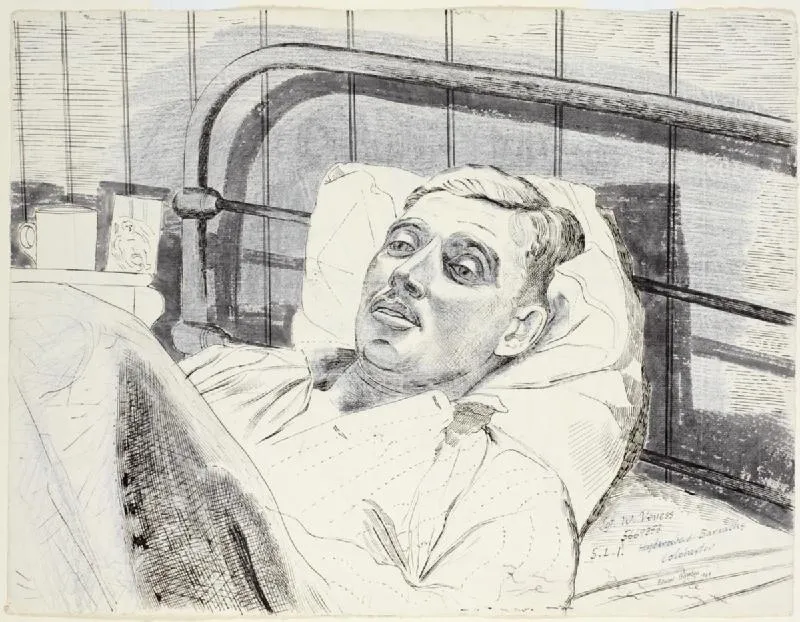
Photo: Bawden, Edward, Public domain, via Wikimedia Commons
Introduction
Few events disturb the rhythm of a nursing cottage more than an unexpected hospital admission. A resident may be transferred at short notice following a fall, an infection or a change in condition, leaving family members anxious and uncertain about what to do next. In the midst of clinical urgency, practical preparation can feel like a secondary concern. Yet a modest, well-considered bag can make a meaningful difference to a resident's comfort, orientation and sense of self during a hospital stay, and can ease the path back to the cottage when the time comes.
This guide sets out what families might keep ready, how cottage nursing staff can support the process, and the questions worth asking about returning to residential care. It is not a substitute for clinical advice, nor a rigid checklist. Rather, it is a framework for preserving continuity when circumstances are changing quickly.
Why a Prepared Bag Matters
Hospital environments are designed for assessment and treatment, not for familiarity. Lights, sounds, routines and faces are different from those in a cottage-style nursing home. For a person living with dementia, sensory impairment or reduced mobility, that difference can be disorienting. Familiar items act as anchors: a pair of glasses that allow a resident to recognise a visitor, a hearing aid that restores conversation, or a cardigan that feels like their own.
A prepared bag also supports communication between care settings. Cottage staff hold detailed knowledge of a resident's preferences, medication routines and usual baseline. When that information travels with the resident in an accessible form, hospital colleagues can make more informed decisions and family members are less likely to repeat the same explanations at every handover.
Documents and Information
Start with information rather than objects. A small folder or plastic wallet can hold a current medication list, including doses and times, along with known allergies and any recent changes. Cottage nursing staff should be able to provide an up-to-date copy; families can ask for one to be kept in the bag and refreshed after each review. Include the resident's full name, date of birth, NHS number if available, and the cottage's contact details.
It is also helpful to include a brief note of communication preferences. Does the resident prefer to be called by a particular name? Do they use a hearing aid in one ear or both? Are there words or approaches that help them feel calm? This need not be lengthy. A single page written in plain language can be more useful than a thick file.
Glasses, Hearing Aids and Communication
Sensory aids are easily lost in the movement between settings. Where possible, pack spectacles in a labelled case and include a spare pair if one exists. Hearing aids should travel in a named container, with spare batteries if they are used. If the resident wears dentures, these too should be labelled and kept safe.
Families may also wish to include a small notebook and pen, or a communication card, for residents who can express preferences in writing. For those who rely on non-verbal cues, a familiar photograph or a short note about calming strategies can help hospital staff understand what comfort looks like for this individual.
Clothing and Comfort
Hospital gowns serve a clinical purpose, but they can feel impersonal. Packing a few familiar items allows a resident to retain a sense of identity. Choose clothing that is easy to put on and remove, such as front-opening tops, loose trousers or skirts with elastic waists, and non-slip footwear. Label each item clearly; hospital laundry systems are busy and belongings can be mislaid.
Consider warmth. Hospitals can be cool, and a familiar cardigan or blanket can provide both physical comfort and emotional reassurance. Toiletries are equally important: a preferred soap, a hairbrush, a toothbrush and a flannel can make personal care feel more dignified. Avoid valuables and large sums of money; a small amount for newspapers or a drink is usually sufficient.
Questions to Ask About Returning to the Cottage
A hospital admission raises practical questions about what happens next. Families should feel able to ask the clinical team and cottage staff about the expected pathway. Will the resident return to the cottage once medically stable? What assessments are needed before discharge? Who coordinates the return, and what information will accompany the resident?
It is also reasonable to ask how the cottage will be prepared. Will the resident's room be held? Are there any changes to care arrangements that need to be discussed? Cottage nursing staff can often act as a bridge between hospital colleagues and the family, clarifying what is possible and what needs to be planned. Keeping a written record of these conversations can reduce confusion later.
Working Together During the Stay
Continuity depends on communication. Families can help by letting cottage staff know when the resident is admitted and by sharing any updates from the hospital. Cottage staff, in turn, can provide hospital teams with background information and can help families interpret clinical language without replacing professional advice.
Visits should be paced according to the resident's energy and the hospital's guidance. A familiar face can be reassuring, but rest is also part of recovery. Short, calm visits with a clear purpose, such as bringing in a requested item or speaking with a named nurse, often work better than long, uncertain ones.
A Small Bag, a Larger Purpose
An unplanned hospital admission is rarely welcome, but it need not sever the threads of familiarity and dignity. A prepared bag is a practical tool, yet it also signals something important: that this resident is known, that their preferences matter, and that their return to the cottage is being planned with care. Families and cottage staff who work together on these small details can help protect continuity at a moment when continuity is most at risk.