When the Nights Draw In: Winter Readiness in Cottage Nursing
Winter is not an emergency in a well-run nursing cottage. It is a season that asks for foresight. The nights draw in, the air turns colder, and ordinary routines need a little more thought. For families, the temptation is to worry about the visible things: heating, flu, power cuts, whether a parent will feel the cold more than before. Those concerns are reasonable. Good cottage nursing does not dismiss them. It plans for them quietly, in advance, and explains that planning in plain language.
A Season of Small Adjustments
Winter readiness begins long before the first frost. In a cottage-style setting, it tends to look less like a bunker and more like a series of small adjustments. Radiators and boilers are serviced. Draughts are checked. Windows are examined without sealing every breath of fresh air out of the building. Room temperatures are monitored, not guessed at, and staff pay attention to residents who feel the cold differently from their neighbours. One person may want an extra layer at breakfast; another may find the lounge too warm by mid-morning.
The best preparation respects that individuality. It also recognises that warmth is not only a matter of degrees. A warm room with no conversation is still a cold experience. Cottage nursing tends to pair practical checks with familiar routines: a hot drink at the right time, a blanket within reach, a chair positioned away from a draught, a light left on in the corridor before dusk. These are modest acts, but they are the texture of reassurance.
Keeping Medicines Safe and Ordinary
Medication safety is one of the less visible parts of winter planning. Some medicines need consistent temperature control. Refrigerated items need monitoring, and a power cut raises obvious questions about what happens if the fridge fails. A well-prepared nursing cottage will have a written process for this: who checks temperatures, how often, what the escalation route is, and where backup arrangements sit.
Families do not need to inspect the medicine trolley to ask a sensible question. It is reasonable to ask how medicines are stored in winter and what the home would do if the electricity failed. The answer should sound like a procedure, not a promise. Good providers can explain it without drama. That is the tone to look for: calm competence rather than reassurance alone.
Infection Control Without Isolation
Cold weather brings people indoors and infections closer together. Flu, respiratory viruses and norovirus all find easier routes through any communal setting. A nursing cottage cannot be sealed off from winter, and it should not try to be. What it can do is combine infection control with ordinary human connection.
That means attention to hand hygiene, ventilation, cleaning and staff sickness policies. It means encouraging vaccination where it is appropriate, including seasonal flu vaccination for residents and staff under the NHS programme, while respecting individual choice. It also means having a clear visiting position if an outbreak occurs. Families should be able to ask what happens during a flu outbreak without feeling they are being difficult. A good home will explain any temporary changes, the reason for them, and how residents will stay in touch with relatives if visits are restricted.
Infection control is not the enemy of warmth. Handwashing, well-ventilated rooms and sensible visiting arrangements are part of how a cottage keeps everyone well enough to enjoy the warmth.
Warmth, Light and Company
Power cuts are rare, but they are not unimaginable. In rural and semi-rural parts of the UK, severe weather can interrupt supply. A prepared nursing cottage will have torches, batteries, blankets, a communication plan and an understanding of who to contact. It may also be listed on the local electricity network operator’s Priority Services Register, which can support customers who need extra help during a disruption.
Families can ask about the plan without implying that disaster is imminent. Useful questions include: how will residents be kept warm if heating fails? How will you contact relatives? What should we do if phone lines are busy? The point is not to demand a theatrical emergency drill. It is to confirm that someone has already thought about the ordinary practicalities.
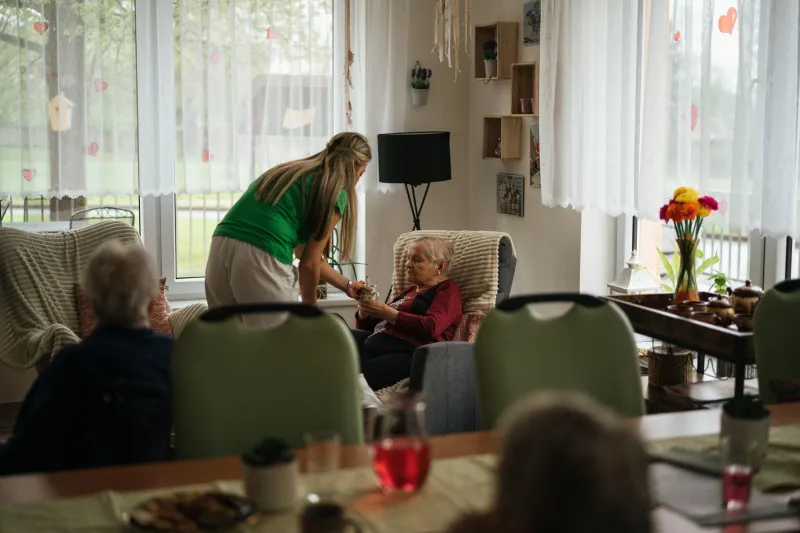
Just as important is the daily work of keeping residents connected. Winter can narrow the world, and a nursing cottage has a role in widening it again. Daylight lamps, gentle exercise, letters, video calls, familiar music and the ritual of afternoon tea all help. So does the simple habit of sitting with someone who is weary of the dark afternoons. Small routines are not a distraction from winter planning. They are part of it.
Questions Families Can Ask Calmly
If you are concerned about a relative’s first winter in residential nursing care, ask early and ask plainly. How is the temperature monitored in communal areas and bedrooms? How are medicines kept safe during a power cut? What is the visiting policy during a flu outbreak? Who will contact the family if there is a disruption? What should relatives bring in for the colder months?
These are not hostile questions. They are the questions of attentive family life. A good provider will treat them as such, and a good conversation will leave you clearer rather than more anxious. If an answer feels vague, ask for the policy and the name of the person responsible. That is not creating alarm. It is showing ordinary diligence.
At Arundel Nurse’s Cottage, winter readiness is understood as part of the same promise as any other season: that residents will be kept safe, warm, informed and known. The cold months test the seams of any care setting. The aim is not to pretend winter is easy, but to make sure it is met with calm preparation, good company and the small dignities that make a cottage feel like a home.