The Quiet Work of Remembrance: Loss and Continuity in Cottage Nursing

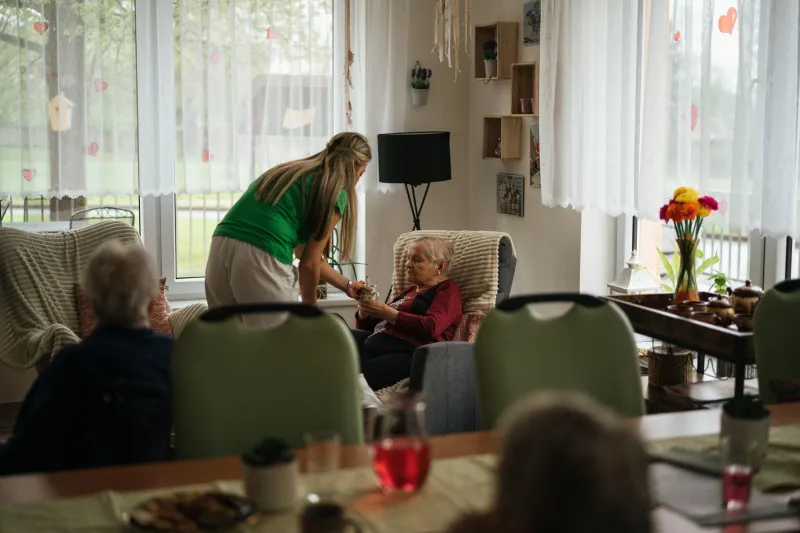
When a resident dies in a cottage-style nursing home, the first noticeable change is often not procedural but atmospheric. A chair at lunch is unused; a familiar voice is absent from the morning room; the rota carries a name that will not be worked again. In a larger institution, such absences can be absorbed into the rhythm of many beds. In a small nursing cottage, where staff and residents know one another by habit and history, a death is felt as a household event.
That difference matters. It does not make loss easier, nor does it make cottage nursing more virtuous than other models of care. It does, however, shape the way death is acknowledged, the way news is shared and the way remembrance is carried forward. In a close-knit setting, grief cannot be confined to a file or a family. It moves through the corridors, the dining room and the staff handover.
A death in a close-knit household
In UK nursing care, many deaths are expected. Frailty, advanced illness and the gradual decline of later life mean that nurses often recognise when a resident is approaching the end of life. Good cottage nursing does not pretend otherwise. It plans for comfort, communicates with the family and, where appropriate, ensures that anticipatory medicines and out-of-hours support are in place. When death occurs, a GP or appropriate clinician verifies it; if the death is unexpected, the relevant procedures involving the coroner are followed. These are the formal mechanics.
The informal mechanics are just as important. In a small home, the nurse who verifies death may also be the person who knew the resident's preference for a particular radio station or the name of a granddaughter. The carer who supported the resident at breakfast may be the same person who later sits with a bereaved spouse in the quiet lounge. Professional boundaries remain, but they are held alongside familiarity. That combination requires careful handling.
Telling residents, one conversation at a time
News of a death should not travel through a cottage by rumour. Residents, particularly those living with dementia, need clear, gentle and repeated explanations. A blanket announcement in the dining room is rarely appropriate. Instead, staff should speak to residents individually or in very small groups, using plain language: the person has died, they are not coming back, and staff are available to talk. Euphemisms such as "lost" or "gone away" can deepen confusion, especially for residents with cognitive impairment.
Residents should be allowed to respond as they wish. Some will be tearful; some will be matter-of-fact; some may ask the same question again an hour later. Others may show grief through restlessness, withdrawal or a reluctance to sit in a particular chair. Cottage staff learn to read these signs without over-interpreting them. The aim is not to manage grief into silence but to make room for it within the ordinary day.
Supporting the family beyond the practical
For families, the hours after death are often a strange mixture of relief, shock and administration. There are calls to make, a funeral director to contact, belongings to collect and paperwork to complete. A good cottage nursing team will offer practical guidance without taking control. They may provide a private room for relatives, help with the returning of personal items at a sensible pace, and explain what happens next in plain terms.
The relationship does not end at the door. Many cottages send a condolence card, offer an invitation to a memorial gathering, or simply let families know that they are welcome to visit the garden or speak to staff after the funeral. In 2026, when families are often dispersed across the country, these small continuities can be disproportionately important. They signal that the person who died was known, not merely processed.
The staff who must carry on
Staff grief is real and often under-acknowledged. Nurses and carers may have supported a resident for months or years; they may have shared intimate moments of care that families never see. When that resident dies, the next shift still begins. Medication rounds continue, meals are served and other residents need reassurance. Professional warmth does not mean indifference; it means finding a way to carry loss without letting it spill carelessly into the care of others.
Cottage nursing homes need clear arrangements for this. A short debrief after a death, access to supervision, and permission for staff to attend a funeral where possible are all practical measures. So is the simple act of acknowledging that a colleague may be affected. In a small team, one person's grief can ripple widely; good leadership recognises that and makes room for it without dramatising it.
Small rituals, lasting marks
Remembrance in a cottage need not be elaborate. A book of remembrance, a candle in the quiet lounge, a plant in the garden or a memory box of photographs and small mementoes can give grief a place to rest. Some homes hold a short annual remembrance gathering for families and residents; others mark a resident's birthday or a significant anniversary quietly. The most effective rituals are those that fit the character of the home rather than those imported wholesale from a corporate template.
Such rituals also help fellow residents. They make visible the fact that someone has died and that their life was noticed. For residents with dementia, a simple photograph and a familiar name may prompt a useful conversation, even if the details fade. For more able residents, being included in a remembrance gathering can be a way of exercising the ordinary human responsibility to mourn.
The empty chair, not an empty space
The empty chair at the table should not be hurriedly filled or endlessly preserved. In a cottage, it is a reminder that care is not a production line. A resident has died; the household has changed. The task is to acknowledge that change honestly while continuing to provide steady, compassionate nursing for those who remain.
That is the quiet work of remembrance. It is not a special project or a public performance. It is the cumulative effect of clear conversations, respectful practical support, staff supervision and modest rituals that say: this person was here, they mattered, and they will not be forgotten simply because their chair is now empty.