When Care Is Costed: Reading a Residential Nursing Invoice in 2026
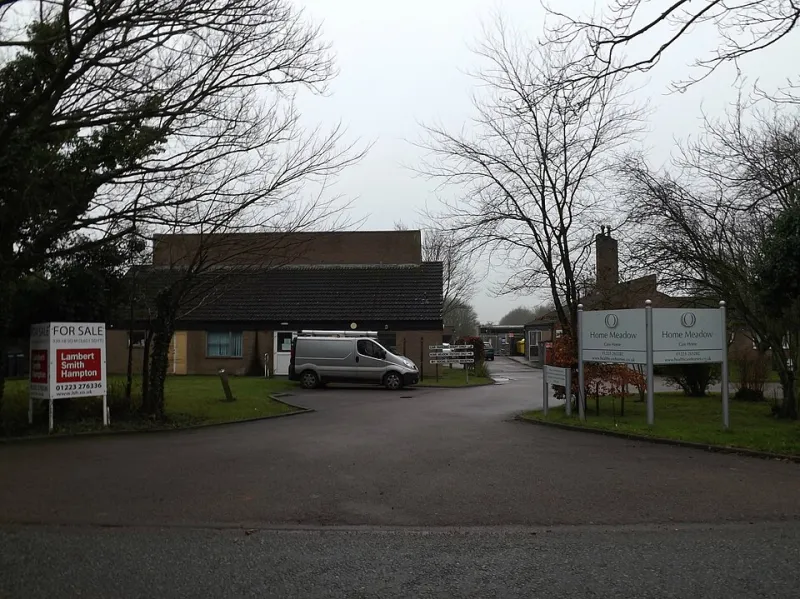
Photo: Geographer , CC BY-SA 2.0, via Wikimedia Commons
Money is rarely the first subject families wish to discuss when they consider a nursing cottage. The conversation usually begins with mobility, medication, meals and the quality of overnight attention. Yet the invoice that follows a placement is also a care document. It records what has been agreed, what has been provided and what remains the responsibility of the family or another funder. Read with care, it can offer reassurance rather than anxiety.
A bill is a record, not a rebuke
Many families approach care invoices with a degree of embarrassment. They may worry that asking a question suggests distrust, or that scrutiny of the figures is somehow unseemly when a relative is frail. In a well-run cottage, the opposite should be true. A bill is not a demand to be accepted without comment; it is a record of an arrangement that should be capable of plain explanation.
At Arundel Nurse's Cottage, the principle we return to is simple: the numbers should be as intelligible as the care plan. A family that understands what is being charged, and why, is better placed to plan. A family that does not understand is left to guess, and guesswork has no place in compassionate care.
What a clear invoice should set out
A good invoice need not be exhaustive, but it should be meaningful. It should identify the resident, the billing period and the date by which payment is requested. It should show the agreed weekly or monthly rate and make clear whether the bill is issued in advance or in arrears. Where a cottage charges different rates for different room types or levels of need, those differences should be stated rather than implied.
The invoice should also separate the main elements of the fee. Families should be able to see what is included for accommodation, personal care, nursing attention, meals, laundry and ordinary activities. If a nursing supplement applies, it should be labelled clearly. If a third party, such as a local authority or the NHS, contributes to the cost, the invoice should show that contribution and the balance payable by the family. A bill that simply presents a single figure without explanation may be lawful, but it is not transparent.
It is equally helpful to include a named contact for billing queries and a short note on how to raise a concern. A family should not have to search a website to discover whom to ask about a charge.
The difference between inclusive and extra
Most residential nursing fees cover a broad package: the room, utilities, catering, housekeeping, laundry of ordinary personal clothing, and the nursing and personal care set out in the care plan. Beyond that, cottages vary. Hairdressing, chiropody, newspapers, private transport, companion outings, enhanced laundry, specialist diets or guest meals may be charged separately. So may one-to-one support arranged for particular periods.
None of these extras is improper in itself. The difficulty arises when they are not explained before admission. A family should ask for a written schedule of included and optional services, and should expect it to be updated when charges change. It is reasonable to ask whether a charge is compulsory, whether it is provided by an outside practitioner, and whether the resident can decline it without affecting care.
Temporary absences deserve particular attention. If a resident goes into hospital, stays with family for a few days or takes a holiday, does the full fee continue? Many contracts include a bed-retention charge, but the terms should be clear. The same applies to respite stays and to any deposit or notice period.
Fee reviews and the language of uplift
Annual fee reviews are normal in UK care settings, but they should not arrive as a surprise. A clear invoice or accompanying letter should state when an increase takes effect, how much notice is given and whether the contract sets out a formula or simply a periodic review. Families are entitled to ask what has changed and to see the revised schedule in good time.
Funding reviews are a separate matter. Local authority financial assessments, deferred payment agreements and NHS continuing healthcare can all affect what a family pays. NHS continuing healthcare is not the same as NHS-funded nursing care. Eligibility for continuing healthcare is based on assessed health needs, and where it is awarded, the package is arranged and funded by the NHS. Families should not assume that a nursing placement automatically attracts that funding, nor that a refusal is the end of the matter.
A transparent invoice should reflect any change in funding once it is confirmed. It should show what has been paid by whom and whether an adjustment is due. If a family is awaiting a decision, the billing team should be able to explain the temporary arrangement in plain language.
Questions to ask before filing it away
When an invoice arrives, a few calm questions can prevent months of uncertainty. Which period does this cover? Which services are included in the headline fee? Which items are optional extras? How are hospital stays and other absences treated? When is the next fee review, and how much notice will be given? Who should be contacted about a query, and how will it be recorded?
It is wise to ask in writing and to keep the reply with the contract. A courteous email is not an accusation. It is simply good administration, and it leaves a clear record for everyone.
The reassurance of a legible bill
Compassionate nursing care depends on trust, and trust is strengthened by transparency. A cottage that can explain its charges clearly is likely to explain other matters clearly too. A bill should not feel like a test of loyalty. It should feel like part of the same careful communication that surrounds medication, meals and night-time checks.
Families deserve to understand what they are paying for without embarrassment. In 2026, as care costs and funding rules continue to demand attention, the invoice deserves a second reading. Read alongside the care plan, it can confirm that the practical arrangements are as considered as the personal ones.